LEDGIT
Architecture
How LEDGIT connects agents, humans, Ledger, Hedera, and ENS
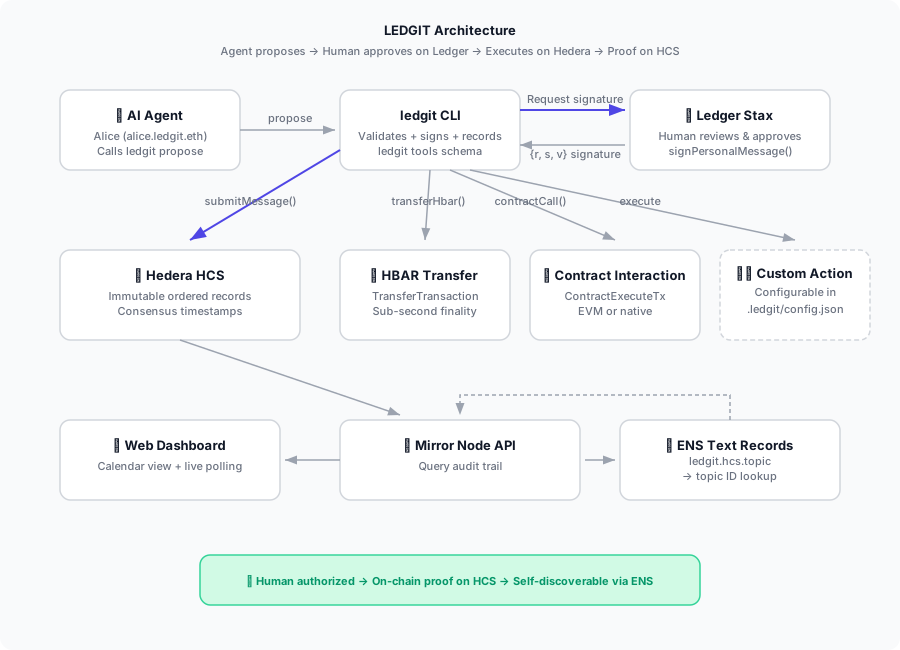
Agent Proposes
The AI agent calls ledgit propose with the action type and structured fields (amount, recipient, reason). The CLI validates against the configurable action schema.
Human Approves on Ledger
The action details appear on the Ledger Stax screen. The human reviews and approves with one button press. The device returns an ECDSA signature.
HBAR Executes on Hedera
The CLI executes the HBAR transfer via TransferTransaction (or contract call via ContractExecuteTransaction). Sub-second finality, sub-cent fees.
Proof Recorded on HCS
The signed action, Ledger signature, risk level, and consensus timestamp are stored immutably on Hedera HCS. Sequence numbers ensure ordering.
Discoverable via ENS
The agent's ENS name has a text record (ledgit.hcs.topic) pointing to the HCS topic. Anyone resolves the name and queries the trail.
View the Audit Trail
ledgit verify displays the ordered trail with risk badges and signature status. The web dashboard shows a calendar view with live polling.
Tech Stack
LEDGIT · Built at ETHGlobal New York 2026